
Glaucoma genomics
Study genetic variation associated with glaucoma and blindness, with attention to African ancestry and diversity.
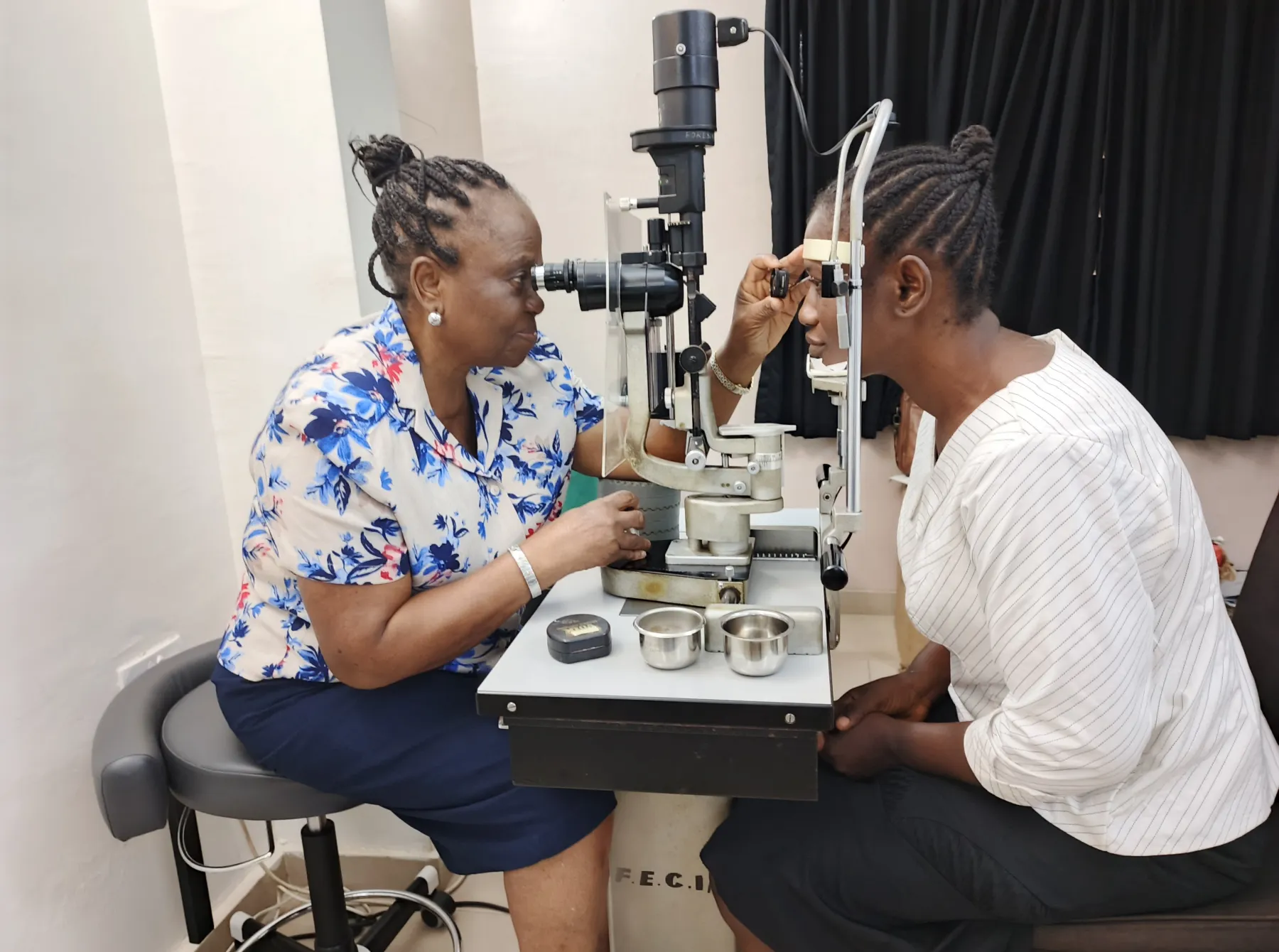
We combine genomics, clinical evidence and community perspectives to address important questions about glaucoma.
Research direction
The AGES programme within AfriGEN focuses on the genetic underpinnings of glaucoma in African populations while recognising that strong discovery depends on careful clinical data, responsible analysis and public trust.
Our approach connects detailed eye examinations and family history with genomic research. It also considers how people understand genetics, what influences participation and how findings should be shared with communities and professionals.
Explore the AGES genetics programmePriority areas
Each priority strengthens the path from high-quality evidence to research that is useful, trusted and relevant.
Study genetic variation associated with glaucoma and blindness, with attention to African ancestry and diversity.
Build reliable datasets through careful diagnosis, eye examinations, family information and consistent study methods.
Understand knowledge, concerns and preferences around genomic research and participation.
Strengthen African scientific leadership, interdisciplinary skills, collaboration and responsible data practice.
Published programmes
The projects below are grounded in published studies. We distinguish completed or published work from the network's continuing research priorities.
A collaborative case-control and family study designed to support genome-wide association and exome sequencing research. The published methodology reported 4,500 appropriately phenotyped cases and controls recruited by the end of the third funded year.
Read the publication recordA qualitative study with people living with ocular disorders explored understanding of genomics, willingness to participate, sample preferences and the need for public sensitisation and participant-centred procedures.
Read the publication recordCollaborate
We welcome enquiries from researchers, clinicians, genomic scientists, data specialists, social scientists, community organisations and potential funders whose work aligns with the network's mission and ethical commitments.
Discuss a collaboration